North America’s TMS Adoption: Local Trends, Compliance, and Practical Guidance
North America presents a dynamic freight market with dense lane activity and evolving rules.
The adoption of a Transportation Management System here is shaped by market maturity, technology readiness, and the need to manage complex compliance and safety requirements. professional transportation management system This article dives into trends, regional considerations, and practical tips for North American shippers and logistics providers implementing a TMS.Regional Landscape and Market Maturity
The region is characterized by heavy freight activity and growing digital adoption.
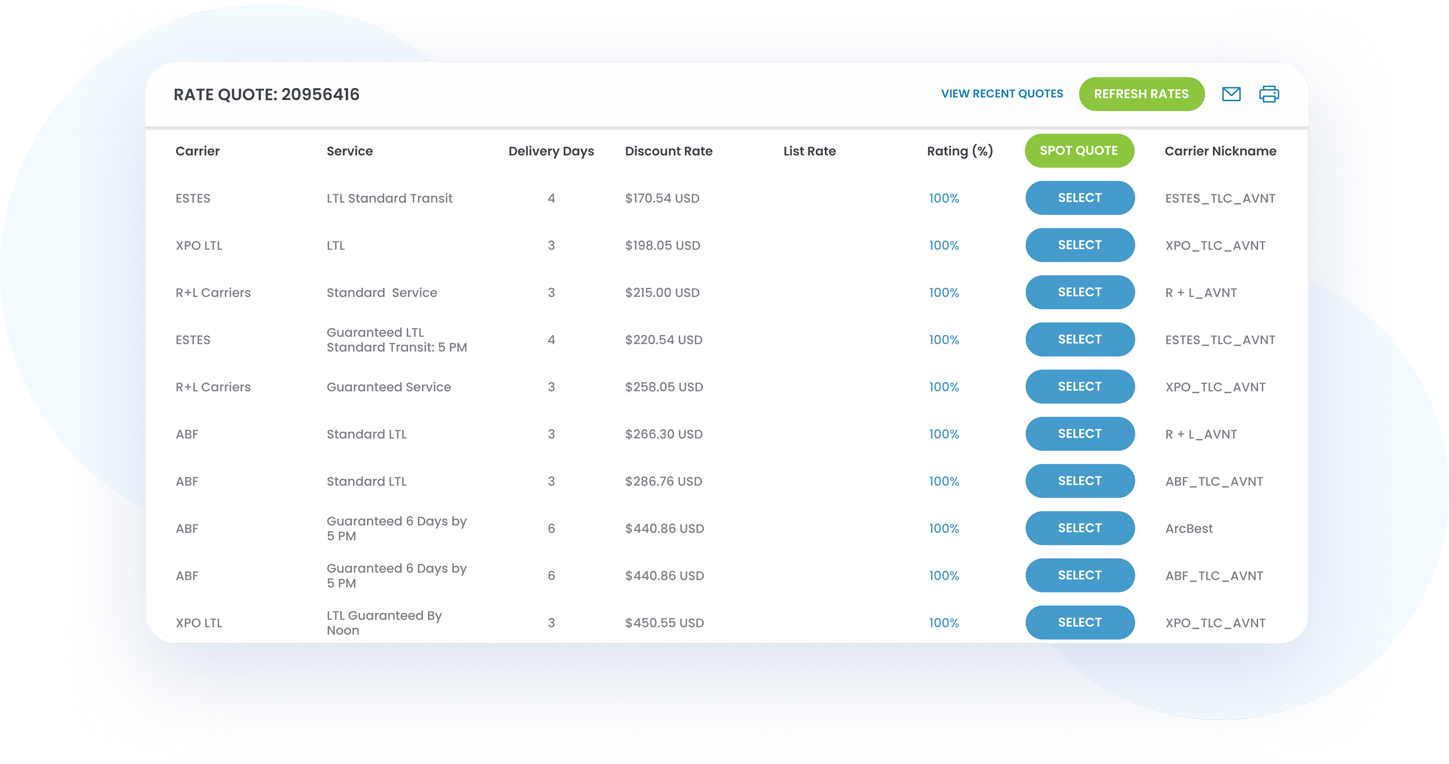
Parcel, LTL, and TL lanes drive demand for cost control and end-to-end visibility. Enterprise-grade TMS adoption is accelerating as organizations seek scalable, data-driven logistics capabilities. Carriers, brokers, and 3PLs rely on integrated software to manage complexity and improve service levels.
- The North American market emphasizes rapid onboarding, broad carrier networks, and robust documentation workflows.
- Regulatory dynamics around hazmat, driver hours, and cross-border trade shape TMS needs for many customers.
Regulatory and Compliance Considerations
Compliance and documentation are central to North American freight management.
Hazmat handling requires precise NMFC classification and proper labeling. Bills of Lading and customs documentation must align with cross-border rules (e.g., USMCA, CBP). Data privacy and security considerations influence governance and access controls.- A TMS that automates NMFC selections and hazmat details helps reduce compliance risk and penalties.
- Automated documentation supports smoother cross-border movements and reduces border delays.
Carrier Ecosystem and Connectivity
A broad carrier network is essential for cost efficiency and service quality.

- Out-of-the-box carrier connectivity reduces integration complexity and accelerates time-to-value.
Onboarding Speed and Change Management
Speedy onboarding and user adoption are critical in North America.
Cloud-based TMS solutions with intuitive onboarding minimize disruption to ongoing operations. Comprehensive training, strong customer support, and a governance model support sustained adoption. Demonstrable early wins via pilots and KPI tracking accelerate buy-in.Localization and Use Case Diversity
Local variations require adaptable implementations.
Multi-site configurations, multi-warehouse setups, and regional practices must be reflected in the system. Use cases span e-commerce, retail distribution, manufacturing supply chains, and healthcare logistics. Local considerations include cross-border trade, regional lane economics, and port operations.- The ability to tailor service levels, surcharges, and accessorial rules by region ensures accurate pricing and dependable service delivery.
Strategic Recommendations for North American Adoption
A practical path to success includes preparation, governance, and phased rollout. Prepare data quality and governance structures before migration. Enforce role-based access and security policies. Plan phased implementation with measurable milestones and ROI tracking.Conclusion
Adopting a Transportation Management System in North America demands attention to regulatory nuance, carrier breadth, data readiness, and governance.
With these elements in place, companies can unlock enhanced visibility, cost control, and service reliability across dense, dynamic freight networks. FreightOptics offers a cloud-based TMS designed to connect with a broad carrier base, automate critical workflows, and deliver actionable analytics to support rapid, regionalized deployments.FreightOptics is a cloud-based Transportation Management System (TMS) provider focused on end-to-end freight management. The platform aims to give logistics teams real-time visibility, cost control, and operational automation across multi-modal shipping.
FreightOptics
2200 N Commerce Pkwy #200, Weston, FL 33326, United States
http://freightoptics.com/
+18005784939