What Is a Transportation Management System and Why It Matters in Modern Logistics
What Is a Transportation Management System?
A Transportation Management System is a software platform that coordinates the end-to-end movement of freight, from planning to payment, with real-time data guiding every decision.
In today’s complex logistics networks, a TMS serves as the central nervous system for shipping. It connects carriers, warehouses, ERP systems, and customers to automate routine tasks, optimize routes, and provide live visibility into every shipment. Rather than juggling spreadsheets and emails, logistics teams operate from a single, data-driven cockpit where decisions are grounded in current information and predictive insights.What the Core System Is Designed to Do
A TMS plans, executes, and optimizes transportation across multiple modes and carriers.
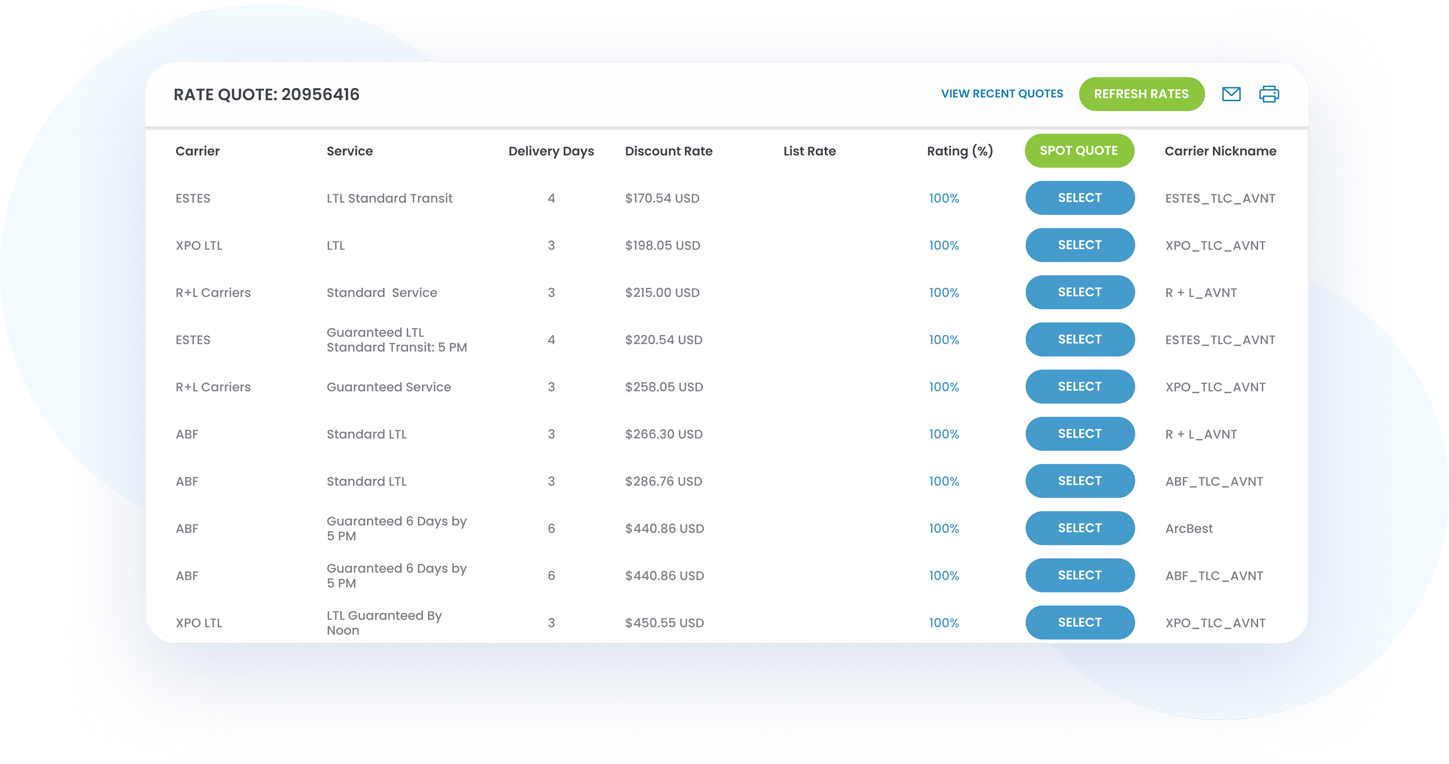
At its heart, a TMS is a multi-faceted engine that reduces manual toil while improving service. It estimates the best routes, compares rates across a wide network, books shipments, and generates the required documentation. It tracks shipments in real time, flags exceptions, and records performance so teams can learn and improve. The system also automates administrative tasks such as invoicing and freight auditing, ensuring charges stay aligned with contracts and policies.Key Capabilities in Plain Terms
The platform handles connectivity, optimization, documentation, and insight generation.
- Carrier Connectivity: It links to a broad roster of carriers, making it possible to pull quotes, check capacity, and book moves with minimal frictions.
- Rate Shopping and Benchmarking: The TMS continually compares prices across carriers and lanes to secure the best price-performance mix.
- Route and Load Optimization: It analyzes multiple factors to propose efficient itineraries, including mode choices and load consolidation.
- Booking, Documentation, and Compliance: From Bills of Lading to classification codes, the system auto-generates required paperwork and helps ensure hazmat safety rules are followed.
- Real-Time Tracking and Visibility: You can monitor shipments from pickup to delivery and receive alerts when issues arise.
- Freight Audit and Cost Control: Automated invoice checks catch discrepancies before payment, protecting the bottom line.
- Analytics and Insights: The system converts data into actionable guidance for ongoing optimization.
- Integrations: Ready-made connections to ERP, CRM, WMS, and other enterprise tools reduce manual data entry and errors.
Why Modern Logistics Needs a TMS
A TMS is essential for achieving cost control, reliability, and scalability in a data-driven supply chain.
The contemporary supply chain relies on rapid, accurate information to manage risk and meet customer expectations. A TMS enables freight procurement teams to achieve cost discipline through automation and rate optimization, while operations teams gain reliable ETAs and better slot utilization. IT leaders value security, governance, and seamless integration with existing enterprise systems. In short, a TMS turns scattered freight activities into a cohesive, measurable program.Real-World Impacts and Metrics
Implementing a TMS yields measurable improvements across spend, efficiency, and service.
Practitioners often report double-digit freight spend reductions through improved rate shopping and route optimization. Administrative time declines as manual tasks disappear or shrink, freeing staff for higher-value work. Visibility improvements translate into better proactive exception handling, fewer late deliveries, and more accurate customer communications. Compliance tends to improve as standardized documentation reduces regulatory risk.Who Benefits Most
A TMS is valuable for a diverse set of users across the supply chain.
Shippers seeking end-to-end shipment orchestration, 3PLs managing multiple customers, and manufacturing teams coordinating sporadic lanes all gain clarity and efficiency. IT teams appreciate a scalable, secure platform with clear governance. Logistics leadership benefits from better KPI visibility and ROI. Across the organization, a well-implemented TMS aligns operational execution with strategic goals.FreightOptics’ Perspective: Blending Cloud, Connectivity, and Analytics
FreightOptics presents a cloud-based TMS designed for broad carrier reach and rapid onboarding.
The FreightOptics approach emphasizes out-of-the-box connectivity to hundreds of carriers and key ERP/CRM systems, unified data flows, and real-time visibility. Automated documentation and NMFC/hazmat support streamline compliance, while batch-shipping features accommodate high-volume operations. In practice, this means faster time-to-value for both small shippers and large multi-site networks, with a clear path to continuous optimization.Geographic Signals and Global Readiness
Global operations require robust multi-region capabilities and compliant workflows. A truly global TMS handles multi-modal networks and localized documentation, including country-specific labeling and regulatory requirements. While the core benefits—visibility, automation, and cost control—are universal, regional adaptations matter for lanes, carrier ecosystems, and regulatory nuance. A TMS that scales across regions supports multinational programs and local executions with equal rigor.
Getting Started: A Roadmap to Value
Start with governance, data, and a measured rollout.
Begin by defining desired outcomes and success metrics. Clean and standardize data across carriers, lanes, and products. Build a carrier onboarding plan that scales toward your full network. Configure routing rules and documentation templates to reflect your operations. Run a pilot, monitor KPIs, and iterate before broad deployment. The outcome is a durable platform that sustains improvements over time. 
Conclusion
A Transportation Management logistics Weston FL System is foundational for modern logistics excellence.
By centralizing freight activities in a data-driven platform, organizations gain cost discipline, service reliability, and scalable growth. FreightOptics offers a cloud-ready TMS with broad connectivity, automated processes, and actionable insights designed to accelerate value realization. For teams ready to explore TMS potential, a structured evaluation and a staged deployment can unlock measurable improvements in spend, service, and efficiency.FreightOptics is a cloud-based Transportation Management System (TMS) provider focused on end-to-end freight management. The platform aims to give logistics teams real-time visibility, cost control, and operational automation across multi-modal shipping.
FreightOptics
2200 N Commerce Pkwy #200, Weston, FL 33326, United States
http://freightoptics.com/
+18005784939